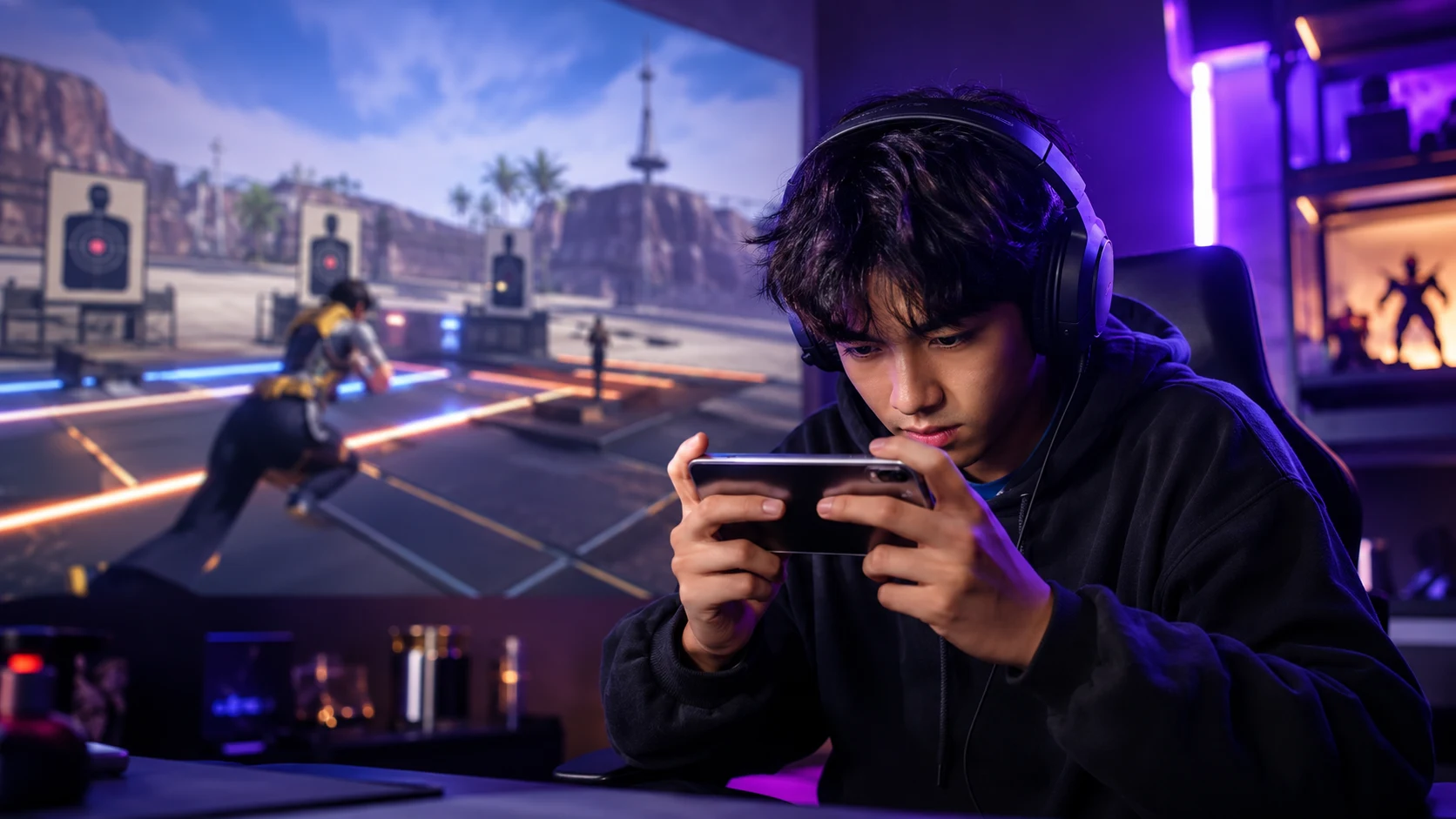
Why Warm Up Before a Ranked Match?
Jumping straight into a Free Fire ranked match can make your first fights feel slow and uncomfortable. Your fingers may not be ready for quick drag shots, your crosshair placement can be inconsistent, and your movement timing may take several minutes to settle. A short warm-up helps you prepare these skills before rank points are at risk.
This 20-minute routine is designed for regular players, not only competitive teams. You can complete it in the Training Ground using your normal device, sensitivity settings, and control layout. The goal is not to chase impressive practice scores. It is to build repeatable habits that transfer into real matches.
Minutes 0–3: Check Your Setup
Begin by checking your connection, battery level, screen brightness, and available device performance. Close unnecessary background apps if they affect gameplay. Confirm that your HUD and sensitivity have not changed. Constantly adjusting sensitivity before every session can make it harder to develop muscle memory, so use settings you already understand.
Spend the first minute moving, jumping, crouching, switching weapons, and opening your scope. Keep your hands relaxed. If your device feels unusually warm or the connection is unstable, solve that problem before entering ranked mode. Smooth practice is more valuable than rushing through the timer.
Minutes 3–8: Crosshair Placement and Tracking
Choose a familiar weapon and practise keeping your crosshair near the height where an opponent is likely to appear. Move from one target to another without firing at first. This trains your starting position, which can reduce the distance you need to drag during a fight.
Next, track moving targets while walking left and right. Keep the motion controlled rather than swiping wildly. Alternate between hip-fire tracking and scoped tracking if your weapon supports both. Focus on staying with the target for several seconds. Accuracy during movement matters because real opponents rarely stand still.
Finish this block with short bursts. Reset your crosshair after every burst and avoid holding the fire button longer than necessary. A clean reset builds better control for medium-range engagements.
Minutes 8–13: Drag Shots and Target Switching
Now practise drag shots at a comfortable speed. Start with the crosshair around upper-body level and make a small upward movement as you fire. Do not copy another player's drag distance without testing it on your own screen; device size, frame rate, and sensitivity can change how the same gesture feels.
After several repetitions, place two or three targets within view. Fire at one, release the button, move your crosshair to the next, and fire again. The important step is stopping accurately on each target. Speed should increase only when you can control the transition.
If you repeatedly move past the target, reduce the force of your swipe. If you stop short, make a slightly longer motion. Use the practice session to observe the pattern instead of immediately changing every setting.
Minutes 13–17: Movement and Cover
Aim is most useful when combined with good positioning. Practise moving out from behind cover, placing the crosshair, firing a controlled burst, and returning to safety. Repeat from both sides because one direction may feel less natural.
Add crouches and direction changes without turning the drill into random movement. Every action should have a reason: make yourself harder to track, create a better angle, or return to cover. Also practise stopping briefly before a precise shot. This helps you recognise when movement improves survival and when it reduces accuracy.
Minutes 17–20: Ranked-Match Simulation
Use the final three minutes as one continuous test. Combine target selection, tracking, drag shots, weapon switching, and cover movement. Imagine that every missed burst reveals your position. This creates a little pressure without risking rank points.
Choose one simple focus for the upcoming matches, such as keeping the crosshair higher, avoiding long uncontrolled sprays, or returning to cover after firing. One clear goal is easier to remember than a long list of corrections.
How to Measure Improvement
Track consistency rather than judging one session. You can note how many controlled hits you make in a fixed time, whether your target switching feels cleaner, and which range causes the most trouble. Review the same drill after several days using the same weapon and settings.
Avoid changing sensitivity after one poor match. First check whether the issue came from rushed movement, low crosshair placement, connection delay, or poor positioning. Small, evidence-based adjustments are easier to evaluate than a complete reset.
Final Checklist Before You Queue
- Your device and connection feel stable.
- Your hands are relaxed and your controls feel familiar.
- You can track targets without uncontrolled swipes.
- You practised firing from cover on both sides.
- You selected one improvement goal for the session.
A 20-minute warm-up cannot guarantee a win, but it can help you begin ranked matches with better control and clearer decisions. Repeat the routine regularly, adjust the difficult sections, and keep your practice focused.