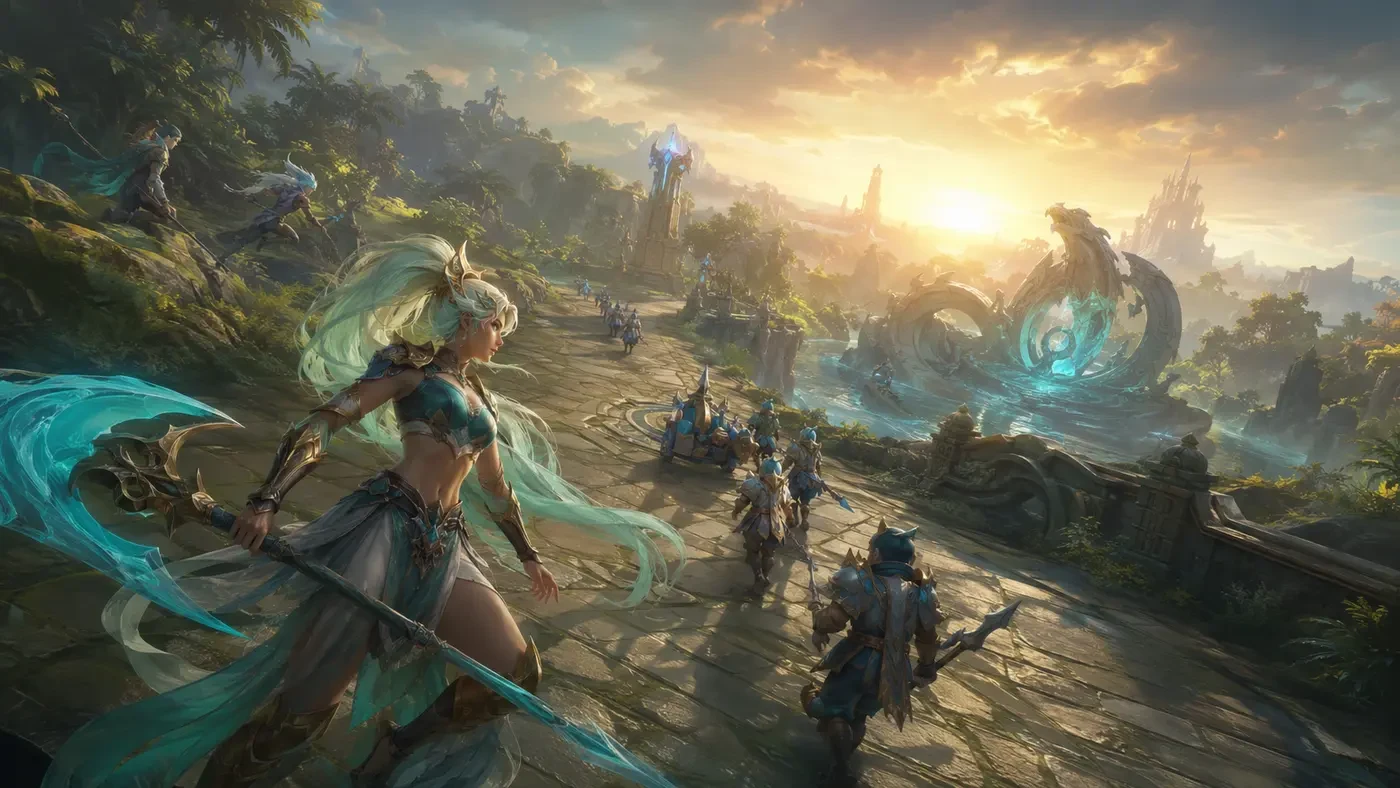
The EXP Lane can look isolated, but it has one of the widest strategic jobs in Mobile Legends: Bang Bang. A strong EXP laner does more than win a duel. They collect reliable experience, manage the minion wave, arrive at important river fights, protect the team’s formation, and decide when side-lane pressure is worth more than joining a battle.
This evergreen guide gives ranked players a repeatable decision system. It avoids patch-specific damage numbers because heroes, equipment, emblems and battlefield details can change. Always confirm current descriptions inside the game.
What an EXP Laner Must Achieve
The lane’s name highlights its early purpose: gaining experience and reaching useful skill levels efficiently. Your larger objective is to convert that development into map pressure without surrendering your lane for free.
A dependable EXP laner balances four responsibilities:
- Secure the wave: remain in range for experience and avoid losing minions without a clear return.
- Control space: make it difficult for the opposing laner to approach the river or your back line.
- Support objectives: prepare the lane before rotating toward Turtle-side contests and nearby skirmishes.
- Fill the missing team job: initiate, absorb pressure, disrupt carries, or protect allies according to the draft.
The correct priority changes during a match. If “win the 1v1” is your only plan, you can lead the lane while your team loses control of the map.
Choose a Hero for the Team, Not Only the Lane
Official MLBB hero information classifies characters by roles and strengths. Lane suitability also depends on the composition. Fighters are common because many combine durability, damage and control, but another sturdy pick may be better when the draft needs a specific function.
Ask three draft questions
- Who starts fights? If nobody can safely engage, choose dependable initiation or zoning.
- Who protects the damage dealers? If the marksman and mage need space, a durable peeler may be more valuable than another diver.
- Who handles a side lane later? Someone must clear pressure without collapsing whenever enemies disappear.
Comfort matters, but a comfort pick should solve a problem. A familiar damage hero that leaves the team with no frontline may be harder to use than a simpler, sturdier option.
Read the Matchup Before Trading
Do not automatically spend every skill on the opposing hero. First decide how each side wins. One hero may prefer short bursts and retreat; another may win extended fights; another may clear safely and offer more in team fights.
- Track the enemy’s important crowd-control skill.
- Identify which player benefits from a long trade.
- Respect the enemy roamer or jungler when they disappear from the minimap.
- Keep an escape route instead of fighting between the enemy and their turret.
- Enter bushes carefully when nearby enemies are missing.
In a difficult matchup, an even lane is a good result. Preserve health, collect the wave and remain useful for the objective. A risky solo elimination is not worth losing a full wave and exposing your turret when the attempt fails.
Wave Control Unlocks Every Rotation
Minion waves create permission to move. Leaving as an enemy wave reaches your turret costs experience, gold and structure health. Clearing first makes your opponent choose between answering your advancing minions and following your rotation.
Fast clear
Clear quickly when your team is preparing a nearby objective, an informed invade, or a river defence. The purpose is not to roam randomly. It is to create a short window in which you can move first.
Controlled pressure
A slower clear can keep you safer and make the opponent walk farther from protection. Use it when no immediate objective needs you and the map is uncertain. Do not push endlessly without knowing where the enemy jungler and roamer are.
Holding the wave
Keeping the wave nearer your side can reduce the opponent’s safe farming space. Do not sacrifice large amounts of health to maintain a perfect freeze. The wave is a tool, not a reason to die.
Before leaving, look at the next incoming wave and ask whether you can complete the move and return before the opponent earns a major advantage.
Prepare for Turtle-Side Action
An EXP laner often influences early neutral-objective fights because the lane can be near the river contest. The correct rotation starts before the objective is attacked. Prepare the wave, preserve enough health and skills to contribute, and approach by a safe route.
- Check the minimap and objective indicator.
- Clear or stabilise your lane.
- Signal the rotation to your jungler and roamer.
- Enter with teammates instead of checking several missing enemies alone.
- Choose whether to zone, engage, protect, or threaten the enemy back line.
- After the play, return to the safest valuable task instead of wandering.
You do not always need to stand inside the objective pit. A durable EXP laner can control an entrance, force an enemy carry away, or interrupt the opposing jungler’s approach. The objective becomes easier when the other team cannot enter cleanly.
Know When Not to Rotate
Following every call is not automatically good teamwork. If a fight is already lost and you will arrive late, collecting a wave or pressuring a turret may create more value. Rotating from a badly prepared lane can also give the opponent free resources and structure damage.
Stay or trade pressure when:
- the fight will finish before you can arrive;
- your main ultimate or battle spell is unavailable and you add little;
- a large wave threatens your turret;
- the opposing laner stays while your team safely disengages;
- your side push forces a meaningful response.
Communicate early. A retreat ping before teammates engage is more valuable than explaining afterward why you could not join.
Choose One Team-Fight Job
Fights become clearer when you enter with one primary task. Trying to dive, peel and chase at the same time usually leaves everyone unsupported.
Front-to-back control
Stand between threats and your main damage dealers. Stop divers, occupy narrow paths, and make the enemy spend resources on a durable target. This works when your back line can win a longer fight.
Back-line pressure
Approach from an angle and threaten the opposing marksman or mage. An elimination is not always necessary. Forcing a carry to retreat, spend mobility, or stop attacking can decide the fight.
Second engagement
Allow the roamer or jungler to draw the first reactions, then enter after important enemy control skills are used. This helps heroes that struggle when they absorb every opening ability.
Reassess when the job succeeds. Do not chase one low-health opponent across the map while your own carries are attacked.
Create Safe Side-Lane Pressure
In the middle and late game, pushing a side lane creates pressure only when you read the map. Count visible opponents before crossing the river. If several are missing and your teammates cannot threaten anything elsewhere, assume they may be moving toward you.
- Many enemies visible: push farther if you retain a safe exit.
- Several enemies missing: clear quickly, leave vision and wait for information.
- Your team preparing an objective: push only when the pressure supports the plan and you can join or trade.
- No allied pressure: avoid becoming the only deep target visible on the map.
A successful split push is not measured only by turret damage. Drawing two enemies and escaping can give allies a numbers advantage elsewhere. Dying before the team is ready gives the opposition pressure for free.
Adapt Equipment and Emblems
Recommended builds are a starting point, not a complete plan. Read the enemy composition and the threats developing in the match. Defensive choices should answer the relevant damage and control. Offensive choices should support your job rather than chase attractive statistics.
Before the next purchase, ask:
- Am I dying before completing my team-fight task?
- Which opponent deals the most meaningful damage to me?
- Does the team need me to survive, disrupt, or finish targets?
- Is enemy healing or shielding important enough to answer?
- Would movement or cooldown utility help more than raw damage?
Because effects can be adjusted, check current in-game descriptions. Copying an old screenshot without verification can produce a build that no longer fits.
Communicate Clearly in Solo Queue
You do not need voice chat to share the essentials. Use short, timely signals for objectives, missing enemies, retreat calls and ultimate availability. Ping before moving, not after arriving.
Watch the jungler’s path. If they are moving away from your side, do not force a river fight expecting immediate help. If they are approaching and your wave is prepared, preserve crowd control and create a clean angle.
Avoid repeated spam. One directional signal for your movement and one objective or warning signal for the reason are usually clearer than a flood of alerts.
Common EXP Lane Mistakes
- Trading through a full enemy wave: minion pressure can reverse a favourable duel.
- Rotating without clearing: the opponent gains resources while you search for a play.
- Using the ultimate without purpose: the important fight begins while your strongest tool is unavailable.
- Ignoring the draft: another damage pick may leave the team too fragile.
- Showing too long in a side lane: missing enemies gain time to collapse.
- Chasing after a won fight: the team misses a turret, objective or safe reset.
- Copying one build: your items fail to answer the actual match.
A Simple Improvement Checklist
After each match, review decisions rather than only the result:
- Did I miss an important wave without gaining something useful?
- Did I prepare the lane before the first major river contest?
- What was my team-fight job, and did my position support it?
- When I died in a side lane, how many enemies were visible beforehand?
- Did my build respond to the match or follow a fixed preset?
Better wave preparation, fewer avoidable deaths and clearer rotations are repeatable skills. Wins become more consistent when those fundamentals improve.
Frequently Asked Questions
Must an EXP laner always be a fighter?
No. Fighters commonly suit the lane, but the team’s required initiation, durability, control and side-lane plan matter more than one role label.
Should I always join the first Turtle fight?
No. Prepare to influence it, then consider your wave, health, skills, travel time and team position. A late, low-health entry may be worse than protecting the lane and signalling retreat.
When should I push a side lane?
Push when enemy locations, allied pressure and your escape route make the action useful. If several opponents are missing, clear safely and disappear from vision.
Top Up Your Favourite Games
If you're looking for a trusted place to top up your favourite games including Free Fire, PUBG Mobile, Mobile Legends, Blood Strike, and Call of Duty, visit HTGTopUp.com for fast digital game top-up services. Website: https://htgtopup.com.